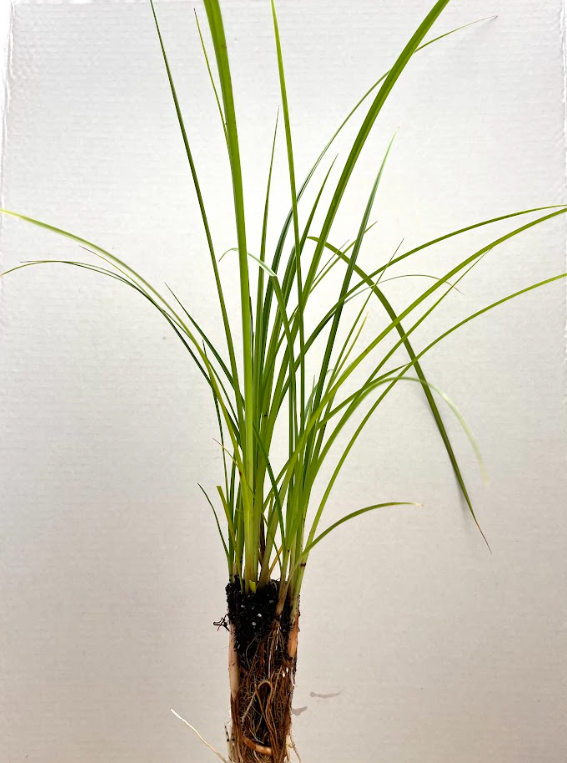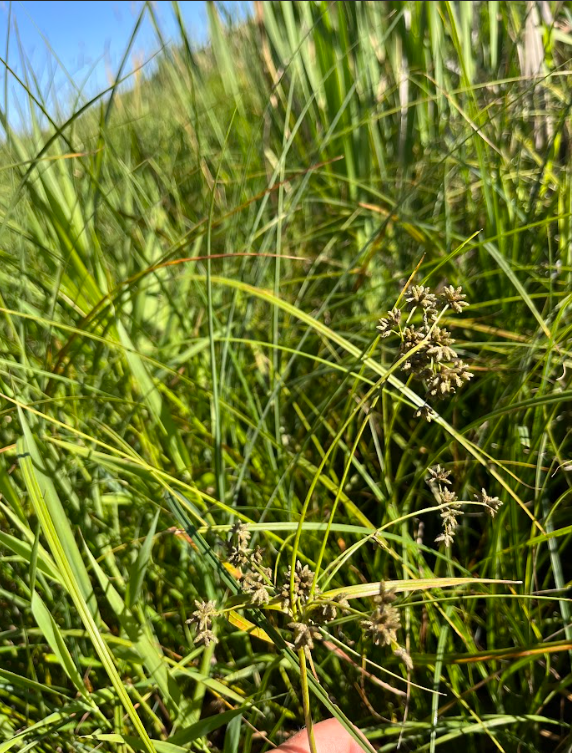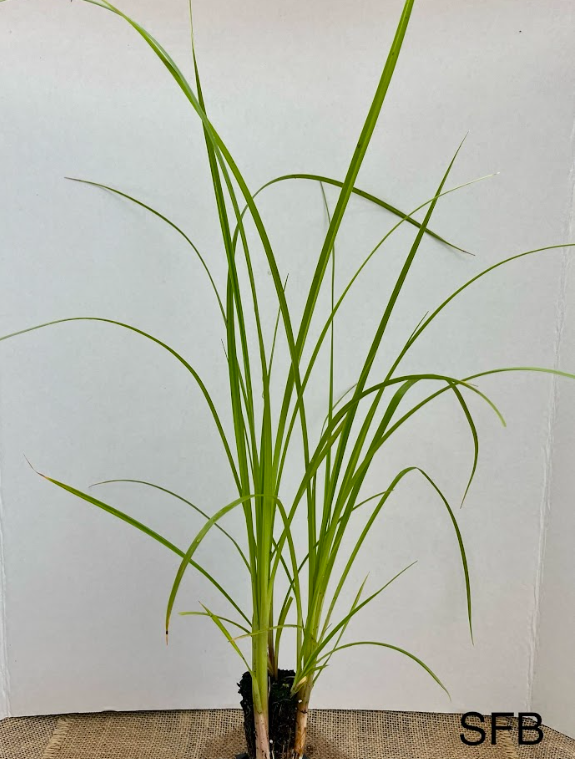
Small-fruited Bulrush (scirpus microcarpus)
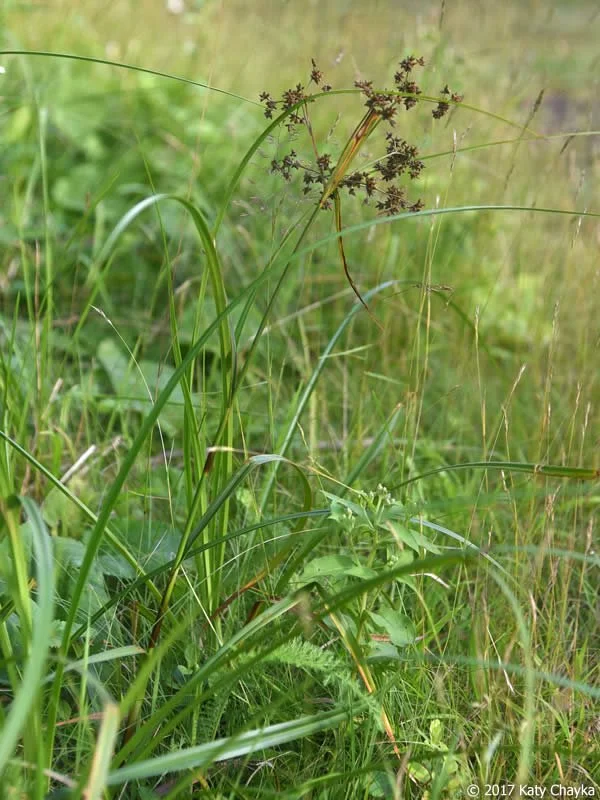
For reclamation and wetland restoration in southern Alberta, small-fruited bulrush (Scirpus microcarpus) is best planted in low-lying, moist to saturated zones where long-term soil moisture can be maintained. Ideal placement includes wetland margins, pond and dugout edges, streambanks, floodplain swales, drainage channels, irrigation ditches, and the shallow emergent zone of constructed wetlands, typically from the water’s edge to areas with standing water up to roughly 10–20 cm deep. It performs especially well in transitional zones that experience seasonal flooding followed by gradual drawdown, making it a strong choice for wetland replacement sites, stormwater facilities, and riparian reclamation projects with variable hydrology.
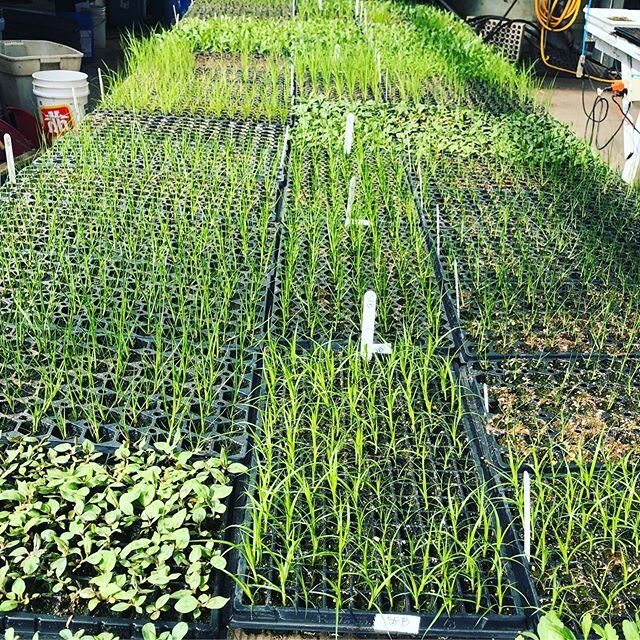
Growing conditions should include fresh to slightly mineral-rich soils such as silts, clays, or organic loams that remain moist for most of the growing season. While it prefers full sun, small-fruited bulrush tolerates partial shade, which allows it to establish under willow canopies or along shaded stream corridors. It is cold-hardy and well adapted to southern Alberta’s climate, including spring flooding, summer drought periods once roots are established, and winter ice scour. Establishment is most successful from plugs or divisions, spaced closely enough to achieve rapid soil coverage and erosion control, though it will continue to spread naturally by rhizomes over time. Once established, it requires little maintenance and contributes to long-term site stability, sediment capture, and functional wetland structure without aggressive monoculture behavior.